
Education Skills Every Student Must Master
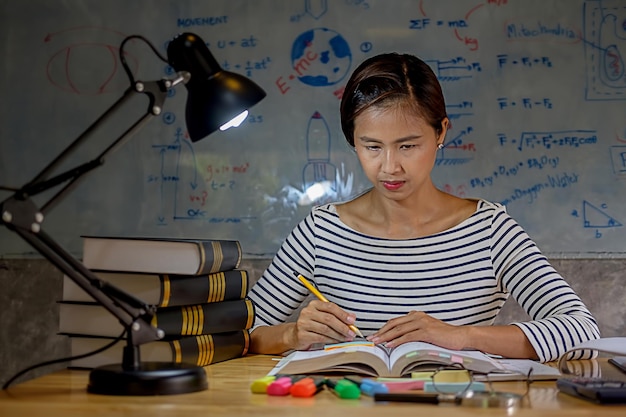
Success in academia goes far beyond rote memorization and last-minute cramming. It requires a dynamic set of tools that empower students to think critically, manage their time efficiently, and engage deeply with complex material. Cultivating these essential education skills for students not only boosts academic performance but also lays a robust foundation for lifelong learning.
The Cornerstones of Academic Mastery
At the heart of academic success are a series of must-master skills for academic success that every learner should develop. These include effective study habits, time management, critical thinking, digital literacy, and communication. Each of these abilities is integral to navigating the modern educational landscape and excelling in an increasingly competitive world.
Short sentences inspire clarity. Longer sentences provide rich context. Together, they create a balanced approach to learning that can transform how you study and retain information.
Time Management: The Backbone of Efficiency
One of the most critical key abilities every learner needs is efficient time management. With an overwhelming array of assignments, projects, and exams, managing time effectively can make all the difference. Techniques such as the Pomodoro Technique, which breaks study sessions into focused intervals interspersed with short breaks, are excellent examples of top skills for effective studying.
Prioritize tasks, create a detailed schedule, and stick to it religiously. By allocating specific time blocks for each subject, you ensure that every topic receives adequate attention without sacrificing your well-being.
Active Learning and Critical Thinking
Active learning is an indispensable strategy for mastering complex concepts. Rather than passively reading through textbooks, engage with the material through discussions, problem-solving exercises, and teaching others. This approach not only reinforces your understanding but also stimulates critical thinking—a must-master skill for academic success.
For instance, practice the Feynman Technique by explaining topics in your own words; this forces you to break down intricate ideas into simple, digestible parts. Moreover, incorporating problem-solving sessions where you challenge yourself with practice questions or case studies can further solidify your grasp on the subject matter.
Effective Note-Taking and Organization
Developing robust note-taking skills is crucial for retaining information and preparing for exams. Employ methods such as the Cornell Note-Taking System, mind mapping, or digital note-taking apps to capture essential details and organize your thoughts systematically. These key abilities every learner needs not only enhance memory retention but also streamline revision sessions.
When notes are well-organized and clearly structured, revisiting the material becomes less of a chore and more of an opportunity to reinforce learning. Effective organization is one of the top skills for effective studying and serves as the backbone of academic preparedness.
Digital Literacy in the Modern Classroom
As technology continues to reshape education, digital literacy has become an essential skill. Navigating online resources, using educational apps, and understanding the basics of coding or data analysis can set you apart in today’s academic environment. Embrace tools like online research databases, e-learning platforms, and productivity apps that enhance your ability to gather and analyze information.
Digital literacy not only aids in research and collaboration but also prepares you for the digital demands of the modern workplace. This facet of education is a prime example of essential education skills for students that extend well beyond the classroom.
Enhancing Communication Skills
Effective communication is another pillar of academic success. The ability to articulate your ideas clearly, both in writing and verbally, is indispensable. Whether you’re drafting essays, presenting projects, or engaging in group discussions, strong communication skills facilitate deeper understanding and collaboration.
Practice writing regularly, seek constructive feedback, and participate in debates or public speaking engagements. These experiences help refine your ability to convey complex ideas succinctly and persuasively, ensuring that you develop the must-master skills for academic success that are critical in all areas of life.
Cultivating a Growth Mindset
A growth mindset is the belief that intelligence and abilities can be developed through dedication and hard work. This perspective is fundamental to overcoming academic challenges and persisting in the face of setbacks. When you view obstacles as opportunities for learning, you naturally build resilience and determination.
Adopting a growth mindset encourages you to seek feedback, embrace challenges, and continually strive for improvement. This attitude not only fosters a deeper engagement with your studies but also empowers you to expand your capabilities, embodying the essence of how to learn quickly and effectively.
Collaborative Learning and Peer Engagement
Learning is often a social endeavor, and engaging with peers can significantly enhance your understanding of complex subjects. Collaborative learning through study groups, project teams, or online forums provides diverse perspectives and fosters a supportive environment. When you work with others, you benefit from shared insights and collective problem-solving, which are essential components of top skills for effective studying.
Group discussions, peer reviews, and collaborative projects not only enhance academic performance but also develop critical interpersonal skills. By embracing a collaborative approach, you can deepen your understanding and retain knowledge more effectively.
The Role of Mindfulness and Well-Being
Academic performance is closely linked to mental and physical well-being. Incorporating mindfulness techniques, such as meditation or deep-breathing exercises, can help reduce stress and improve focus. Regular physical activity, adequate sleep, and a balanced diet are also crucial for maintaining peak cognitive function.
When you prioritize your well-being, you create an optimal environment for learning. A calm, focused mind is better equipped to absorb and process information, ensuring that you maximize your academic potential. This holistic approach to education exemplifies the integration of must-master skills for academic success with overall life satisfaction.
Embrace Continuous Learning
The pursuit of knowledge is a lifelong journey. Even after achieving academic milestones, the desire to learn and grow should remain a constant in your life. Staying curious and open to new ideas not only enriches your understanding but also keeps you adaptable in an ever-changing world. Embrace challenges, seek out new opportunities for growth, and continually refine your skills.
This commitment to continuous learning is a cornerstone of education tips for faster understanding and a testament to the power of a proactive, inquisitive mindset. The ability to adapt and evolve is one of the most valuable key abilities every learner needs in today’s competitive environment.
Transforming your academic journey with essential education skills for students requires a multifaceted approach. By incorporating active learning, effective time management, and digital literacy into your study routine, you can create a foundation that supports must-master skills for academic success. Whether it’s through advanced note-taking techniques, fostering a growth mindset, or engaging in collaborative learning, each strategy contributes to a more efficient and enriching educational experience.
The path to academic excellence is paved with continuous effort, creativity, and a commitment to self-improvement. By embracing these top skills for effective studying, you empower yourself to overcome challenges and unlock your full potential. With a balanced approach that integrates technology, mindfulness, and collaborative efforts, you can achieve faster learning and more robust knowledge retention.
In the end, education is not just about acquiring information—it’s about transforming that knowledge into meaningful insights that propel you toward lifelong success. Embrace these strategies with enthusiasm, and let them guide you on your journey to academic excellence and beyond. Happy learning!


